This website is Registered under the Private Travel Agency name Seven Safar Tour & Travels. We organize Hotel, Safari and Tour Package bookings in Kanha National Park.
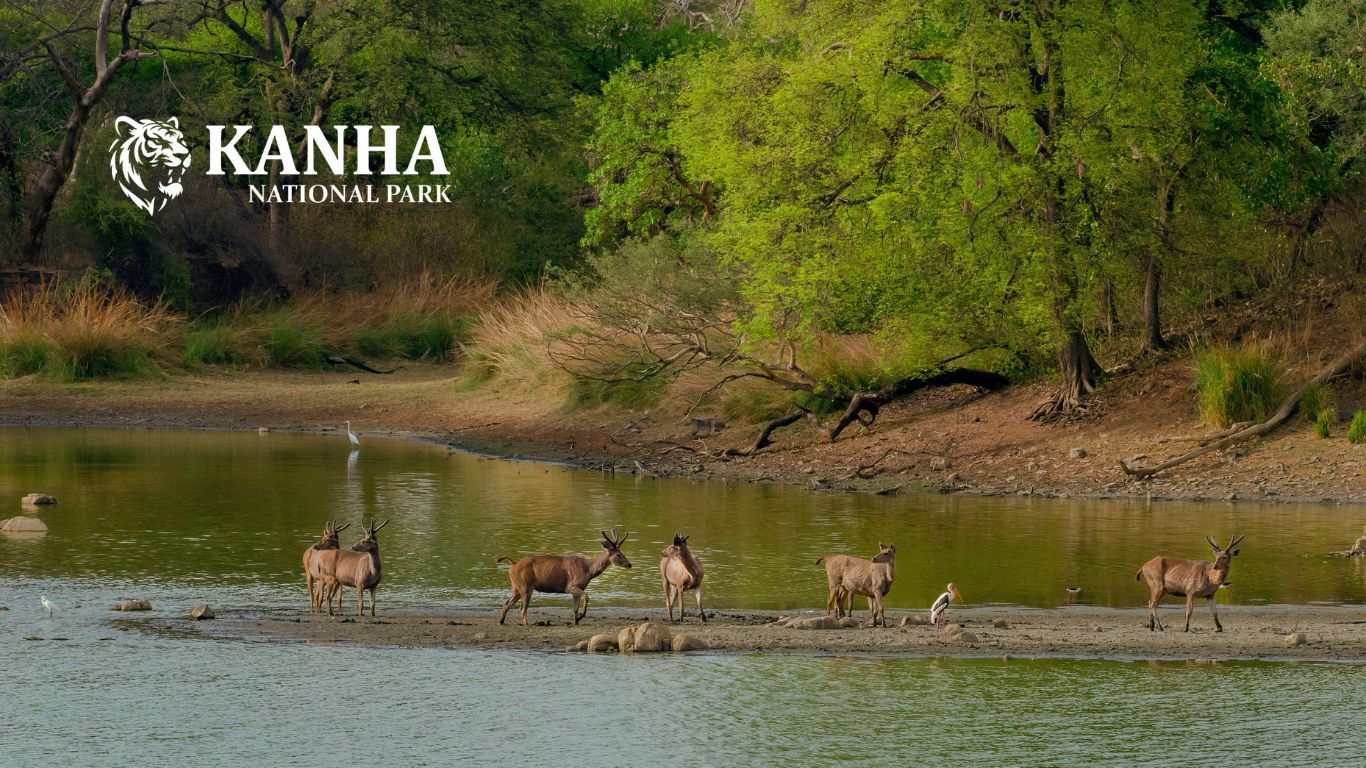
Kanha National Park is one of the most famous and well-maintained national parks in India. It is located in the Mandla and Balaghat districts of Madhya Pradesh. The park is known for its wide green meadows, thick sal and bamboo forests, peaceful rivers, and rich wildlife. Kanha is part of the Kanha Tiger Reserve and covers a very large area, making it one of the biggest wildlife parks in the country. Kanha became famous worldwide because it inspired Rudyard Kipling’s famous book The Jungle Book. The park is home to many wild animals, birds, reptiles, and plants. It is especially known for Bengal tigers and the rare Barasingha, also called the swamp deer. Kanha is the only place in India where this special species of deer is found. The park offers a wonderful experience for nature lovers, wildlife photographers, students, families, and adventure seekers. However, to enjoy the park fully and see more animals, it is very important to visit during the right season. Each season in Kanha National Park looks different and offers a unique experience.
Best Seasons to Visit Kanha National Park
Winter (November to February): The Most Popular Time
Winter is considered the best time to visit Kanha National Park. During this season, the weather is cool and comfortable, with temperatures ranging from 10°C to 25°C. Mornings can be cold and misty, while afternoons are pleasant and perfect for jungle safaris. Winter is the best season for wildlife spotting. Animals like tigers, leopards, wild dogs, and deer are more active during the daytime. Since water is limited in some areas, animals often come near lakes and waterholes, making them easier to spot. This season is also great for birdwatching, as many migratory birds arrive in Kanha during winter. The clear sky and soft sunlight make winter mornings ideal for photography. Jeep safaris during this time are exciting and rewarding. Because winter is the peak tourist season, the park can be crowded. It is advised to book safari permits and accommodations in advance to avoid last-minute problems.
Summer (March to June): Best Time for Tiger Sightings
Summer in Kanha National Park is hot and dry, with temperatures ranging from 25°C to 40°C. Although the heat can be tiring, summer is considered one of the best seasons to see tigers. During summer, water becomes scarce in the forest. Animals come out more often to drink water from ponds and waterholes. This increases the chances of spotting tigers, leopards, and other animals during safaris. Early morning and late afternoon safaris are the best times to explore the park in summer. This season is also special because visitors can see young animals, such as deer fawns and baby langurs, learning to survive in the forest. Even though the forest looks dry, wildlife activity remains high. Visitors should wear light cotton clothes, carry enough water, use sunscreen, and protect themselves from the heat.
Monsoon (July to September): Green and Refreshing Season
Monsoon brings heavy rainfall to Kanha National Park, turning it into a lush green paradise. The temperature during this season stays between 20°C and 30°C, and the entire forest looks fresh and beautiful. Rivers, streams, and lakes are filled with water, and plants grow rapidly. Monsoon is the breeding season for many animals and birds. You may see young deer, birds building nests, and frogs near water bodies. The park looks very peaceful and calm during this season. However, wildlife spotting becomes difficult because animals hide in thick greenery. For safety reasons, most safari zones remain closed during monsoon. Some buffer zones may open for limited tourism. Visitors who love nature and greenery will enjoy this season, but it is important to check park rules before planning a visit. Carry raincoats and waterproof shoes.
Autumn (October): Pleasant Weather and Fresh Forests
Autumn is a beautiful and comfortable time to visit Kanha National Park. The monsoon rains end, but the forest remains green and lively. The temperature stays between 20°C and 30°C, making it ideal for safaris and outdoor activities. Animals become more active as the weather improves, and the grasslands look fresh and bright. This is also the beginning of the tourist season, so the park is less crowded compared to winter. Autumn is perfect for visitors who want to enjoy a peaceful safari experience, photography, and birdwatching without large crowds.
What are the Safari Timings in Kanha National Park?
Kanha offers two safari sessions each day; one in the early morning and one in the late afternoon. Morning safaris usually run from around 6:00 AM to 11:00 AM, while afternoon safaris take place from about 3:00 PM to 6:00 PM.
Wildlife You Can See in Kanha
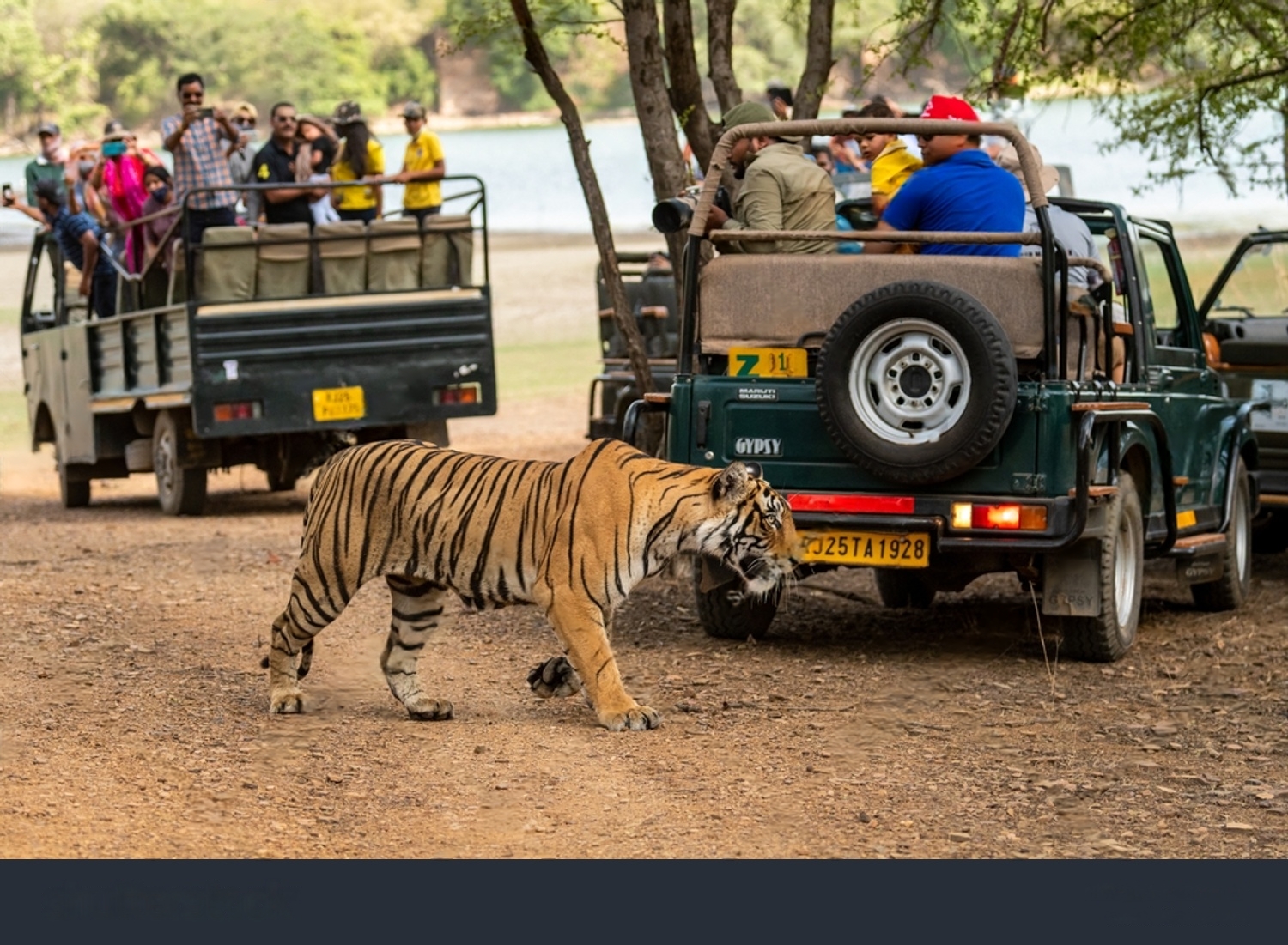
Bengal Tigers: Kanha National Park is one of the best tiger habitats in India. The open meadows and dense forests make it easier to spot tigers, especially during winter and summer when they visit water bodies to drink and cool off.
Leopards and Indian Wild Dogs (Dholes): Leopards in Kanha are shy and usually stay hidden in thick forests, but they can sometimes be seen during early morning or late evening safaris. Indian wild dogs, also called dholes, often move in groups and are known for their teamwork while hunting.
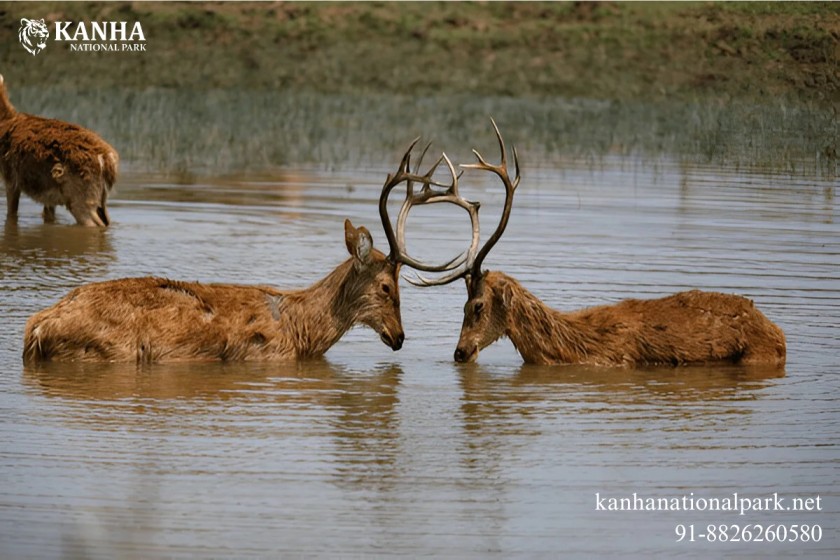
Barasingha (Hard-Ground Swamp Deer): Kanha is world-famous for the Barasingha, a rare deer species found mainly in this park. These deer can be seen grazing peacefully in Kanha’s large grasslands, especially in the central meadow areas.
Other Deer Species: Chital, Sambar, and Barking Deer are commonly seen throughout the park. They often gather in open meadows and forest clearings and play an important role in the park’s food chain.
Gaur (Indian Bison): Kanha is home to the massive Indian Gaur, the largest wild cattle species in the world. These animals are usually seen in small herds and are an impressive sight due to their large size and strength.
Monkeys: Gray langurs and rhesus macaques are found all over the park. They are active throughout the year and are often seen jumping between trees or sitting near safari routes.
Birds: Kanha has over 300 species of birds, including peafowl, Indian rollers, bee-eaters, owls, eagles, and kingfishers. Winter is the best time to see migratory birds and enjoy birdwatching.
Reptiles and Amphibians: The park is also home to snakes, lizards, frogs, and turtles. These creatures are mostly found near rivers, ponds, and wetlands and help maintain the park’s natural balance.
Practical Tips for Visiting Kanha National Park
Safari Timing: Early morning safaris are the best time to see animals when they are active and moving around. Late afternoon safaris can also be good as some animals come out before sunset.
Guided Jeep Safari: Always take a trained guide on your safari. Guides know where animals are likely to appear and can ensure your safety while explaining interesting facts about the wildlife and forest.
Binoculars and Camera: Bring binoculars to see animals from a safe distance, and a camera with a zoom lens to take close-up photos. Photography enthusiasts will love capturing tigers, deer, and birds in their natural surroundings.
Clothing and Footwear: Wear light, breathable clothes during summer and comfortable walking shoes for safaris. During monsoon, waterproof clothes and sturdy shoes are recommended to stay dry and safe while exploring the park.
Food and Water: Carry enough water and snacks, because there are limited food facilities inside the park. Staying hydrated is very important, especially in summer when temperatures can be high.
Respect Nature: Do not litter or make loud noises, as this can disturb the animals. Always maintain a safe distance and never try to touch or feed the wildlife. Respecting the park helps protect its delicate ecosystem for future visitors.
Conclusion
Kanha National Park is a perfect destination for wildlife lovers, students, photographers, and families. Winter is the best time to visit for pleasant weather and easy wildlife spotting, while summer offers higher chances of seeing tigers. Monsoon and autumn provide beautiful scenery and peaceful surroundings. Explore Kanha National Park official website for more information. By choosing the right season, visitors can enjoy exciting safaris, learn about wildlife, and experience nature closely. A visit to Kanha Tiger Reserve is not just a trip; it is a journey into the heart of India’s wild beauty.
Frequently Asked Questions (FAQs)
Q. When is the best time to visit Kanha National Park?
The best time to visit Kanha is from October to March for comfortable weather. March to June is also good for wildlife sightings, especially tigers, though it can be hot.
Q. Which season is best for tiger sightings in Kanha National Park?
Summer months, from March to June, are the best for tiger sightings. Waterholes dry up, and animals gather there, making it easier to spot tigers, leopards, deer, and other wildlife.
Q. Can families visit Kanha Wildlife Sanctuary comfortably?
Yes, families can visit Kanha Wildlife Sanctuary comfortably, especially during October to February. The weather is cool, safaris are safe, and children can enjoy nature, animals, and the forest without much difficulty.
.jpg)
 (1).jpg)
.jpg)
.jpg)
.png)